introduction
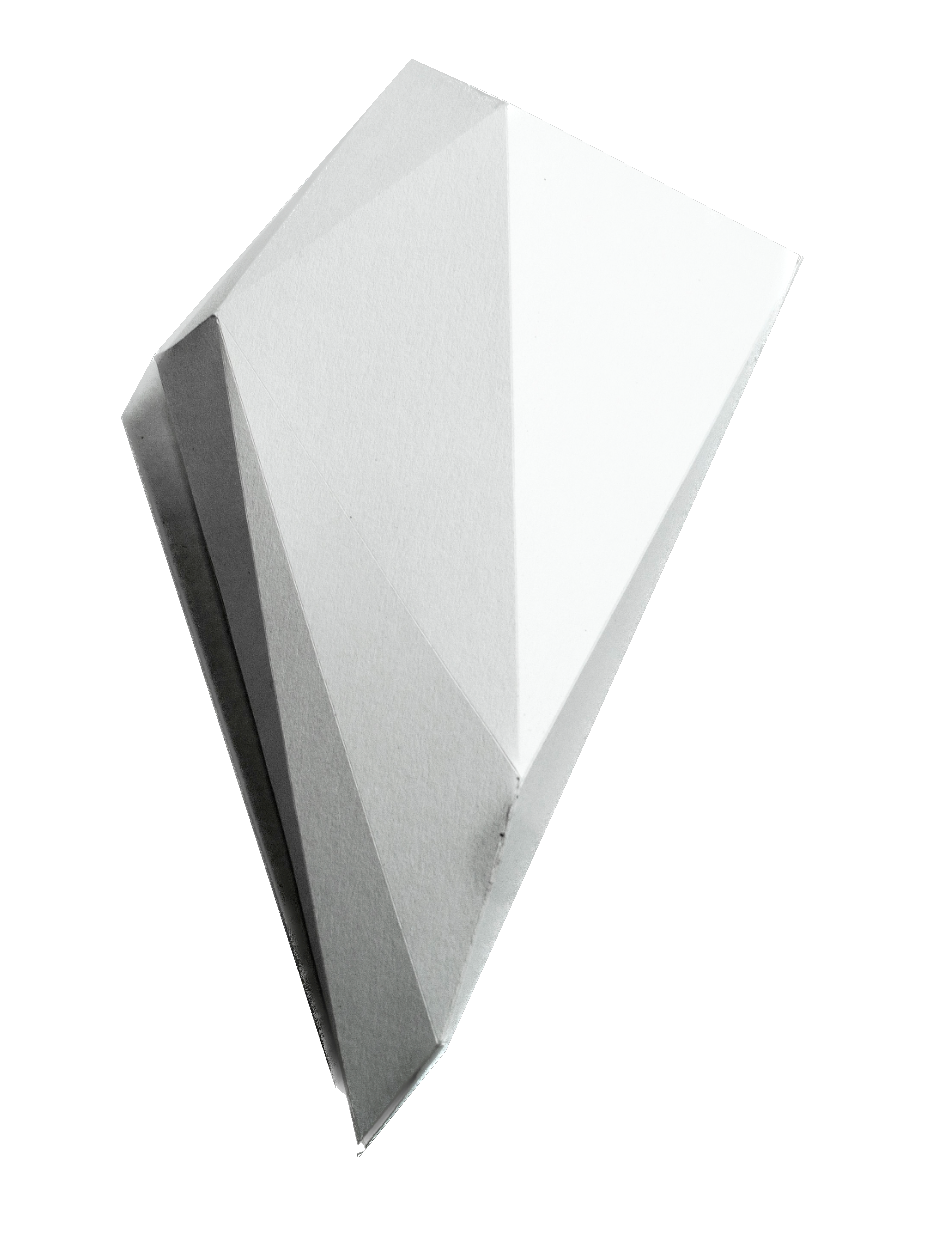
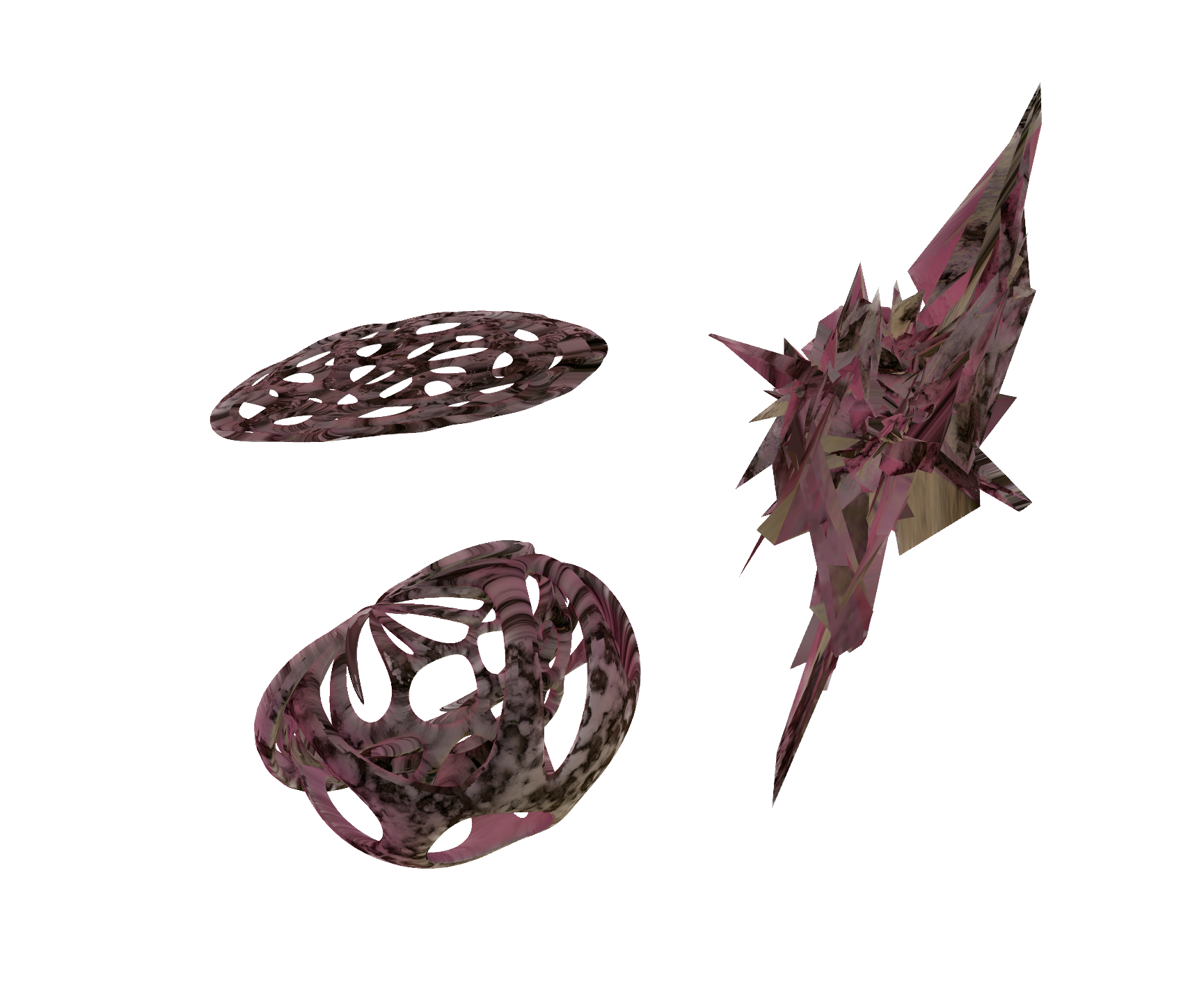
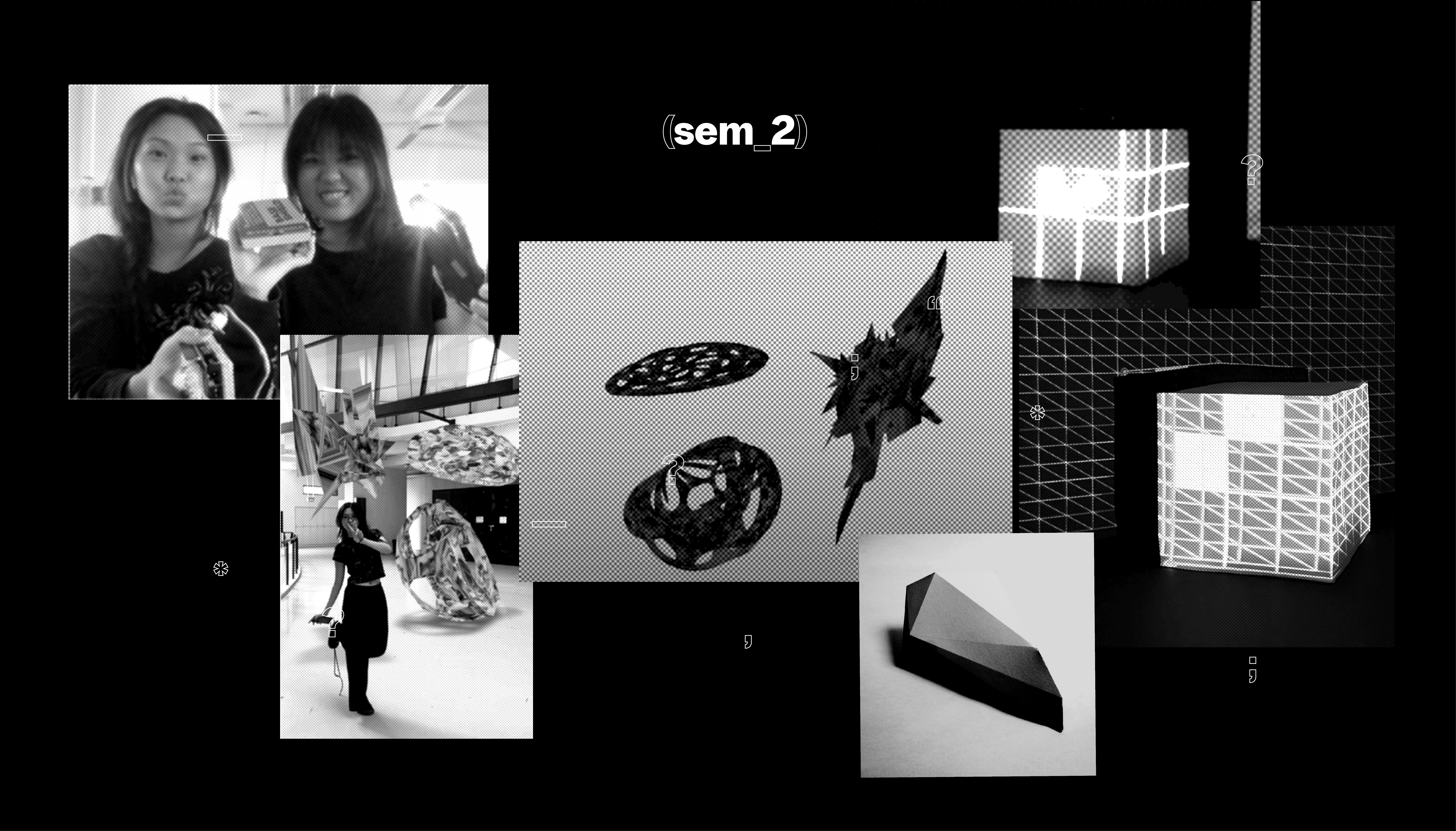
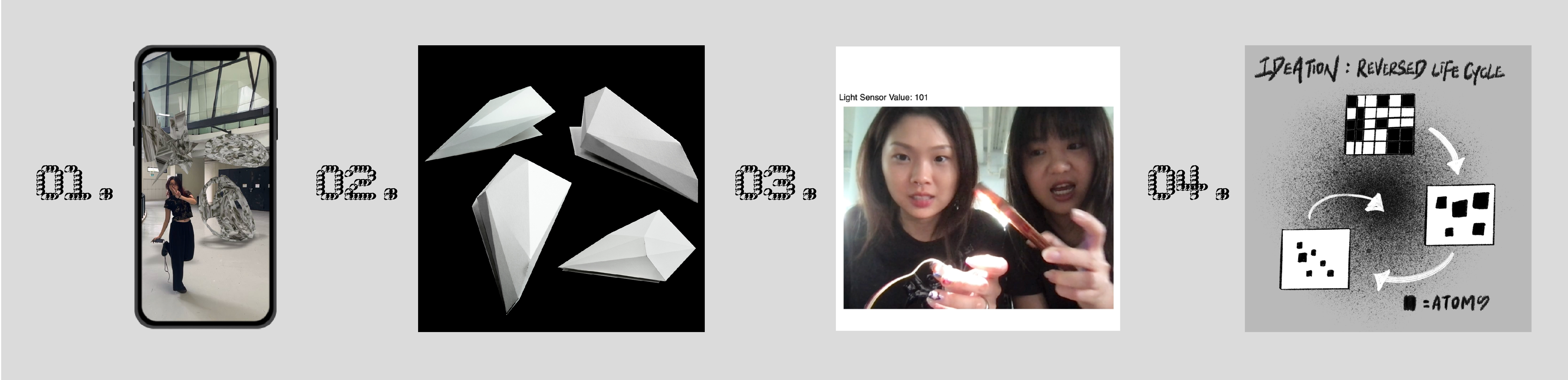
In semester 2 of Computation In Design, we were given the chance to execute conceptual projects with the use of code. Four workshops, each led by a different lecturer, were conducted as part of this endeavour. Andreas led the Coding workshop, Dhiya led Making, Syaz led Physical Computing, and Jo led Projection Mapping. These workshops broadened our horizons, showcasing the myriad possibilities that code offers to bring our ideas to life. In this microsite, I'll present the results of the four workshops: a series of decaying corals designed with Blender, “Resilience and the Cosmos: Navigating the Cosmic journey of Human Experience” project centred around the theme of Cosmic Dust created with P5.js, Blender and paper, a photo capture button controlled by a light sensor using an Arduino board and a p5.js sketch, lastly, projection mapping of animation titled “Reversed Realities”.
Workshop 3
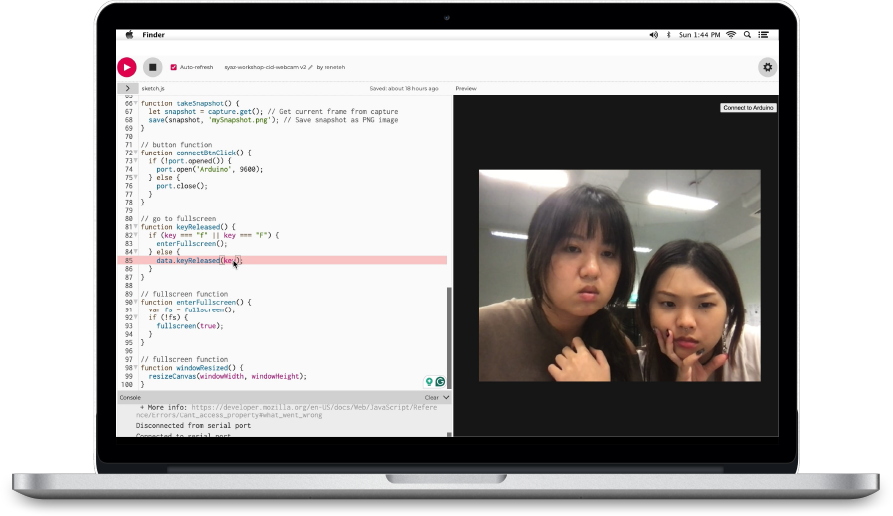
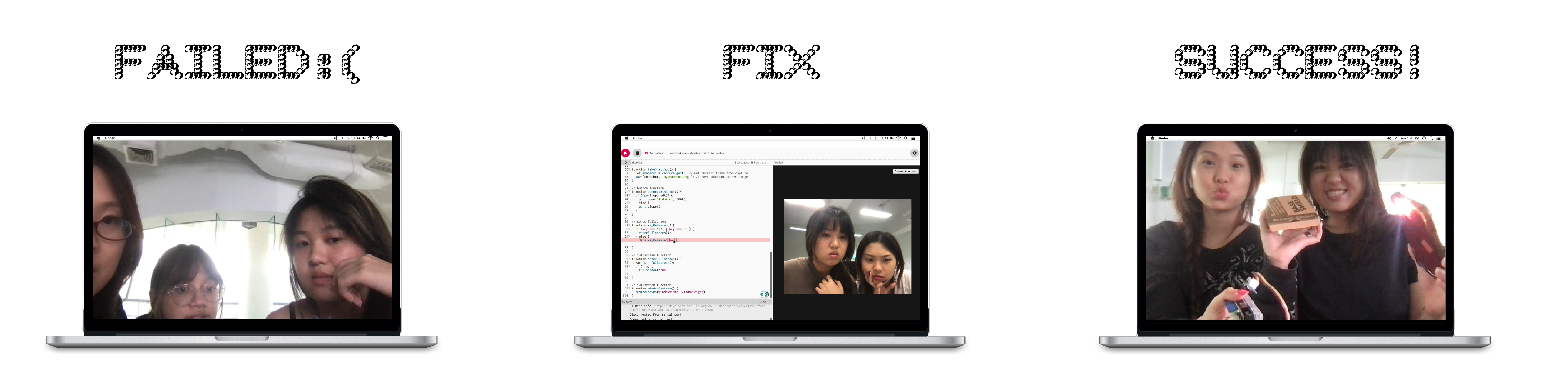
Syaz's workshop introduced us to physical computing, which involves creating interactive systems that bridge the digital and physical worlds using sensors, actuators, microcontrollers, and programming. This process utilises hardware and software to develop systems capable of sensing and responding to the physical environment. By integrating Arduino code with p5.js, Rene and I created an interactive button that reacts to light stimuli. One challenge we encountered was finding the right balance in light sensitivity—ensuring it wasn't overly sensitive yet responsive enough to detect light exposure accurately.
The aim was to reimagine the ordinary capture picture button by infusing it with a unique twist—relying on light rather than traditional physical mechanisms. The underlying concept behind our endeavour was to delve into the complexities of the unconventional and the extraordinary, simply for the joy and artistic expression it brings.
Workshop 4
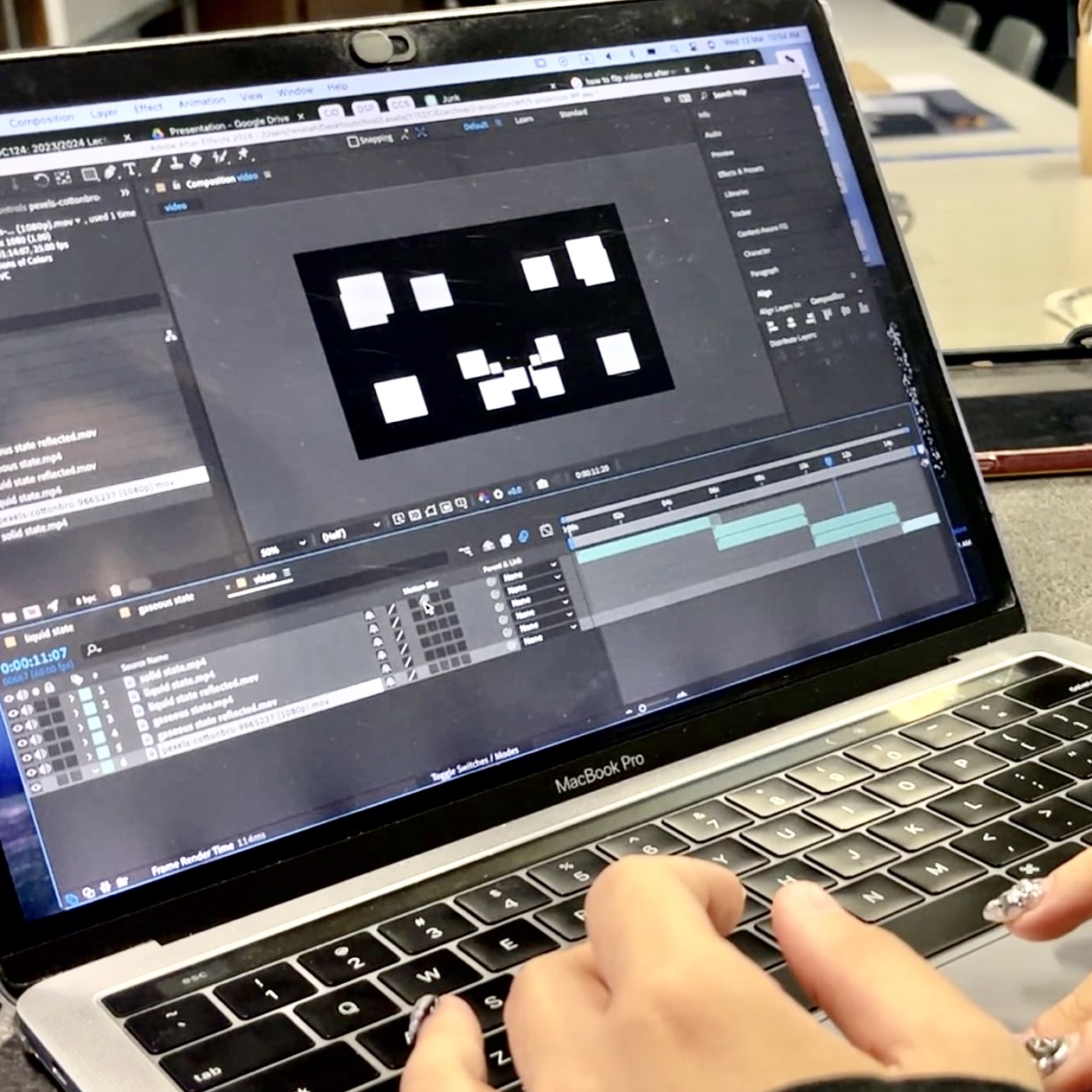
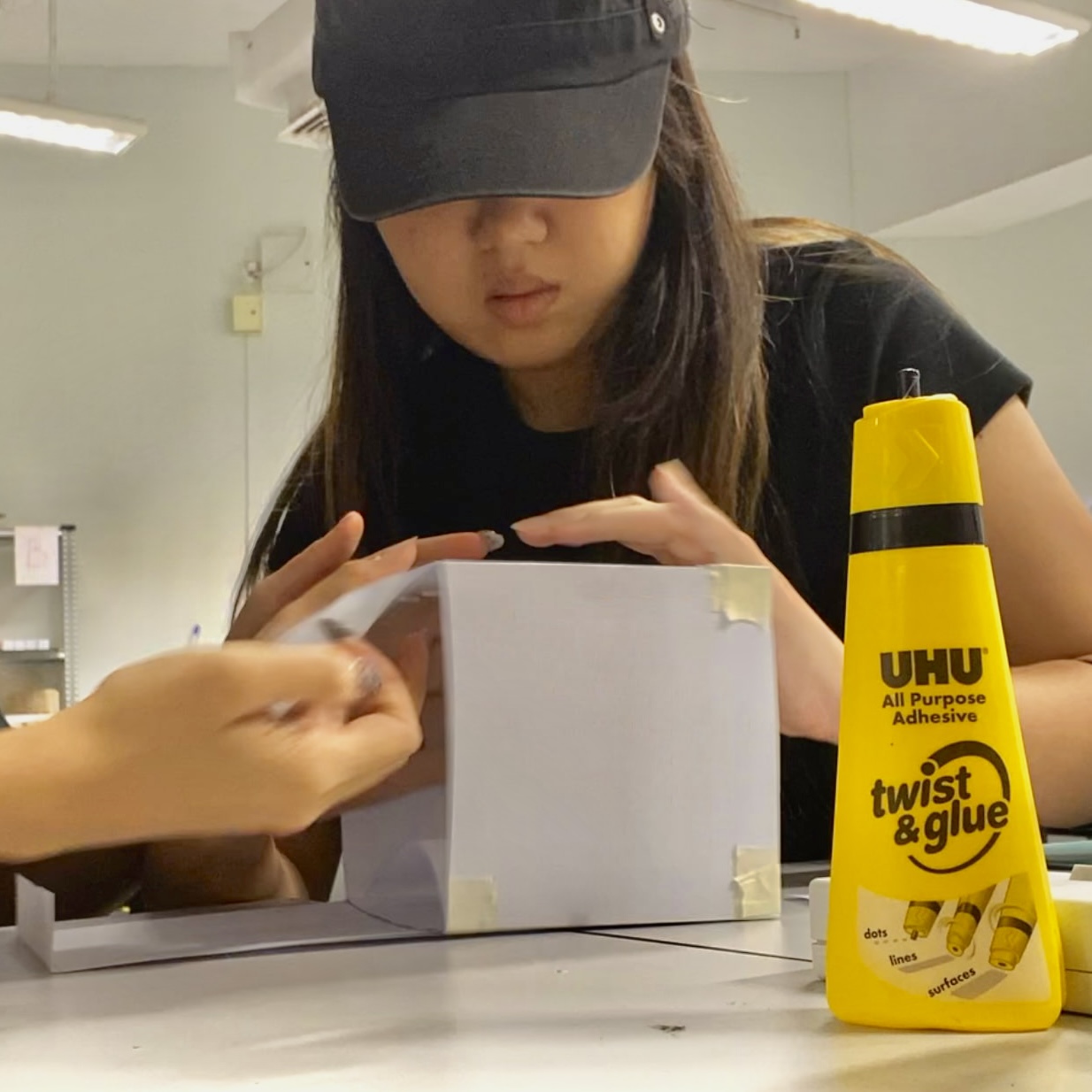
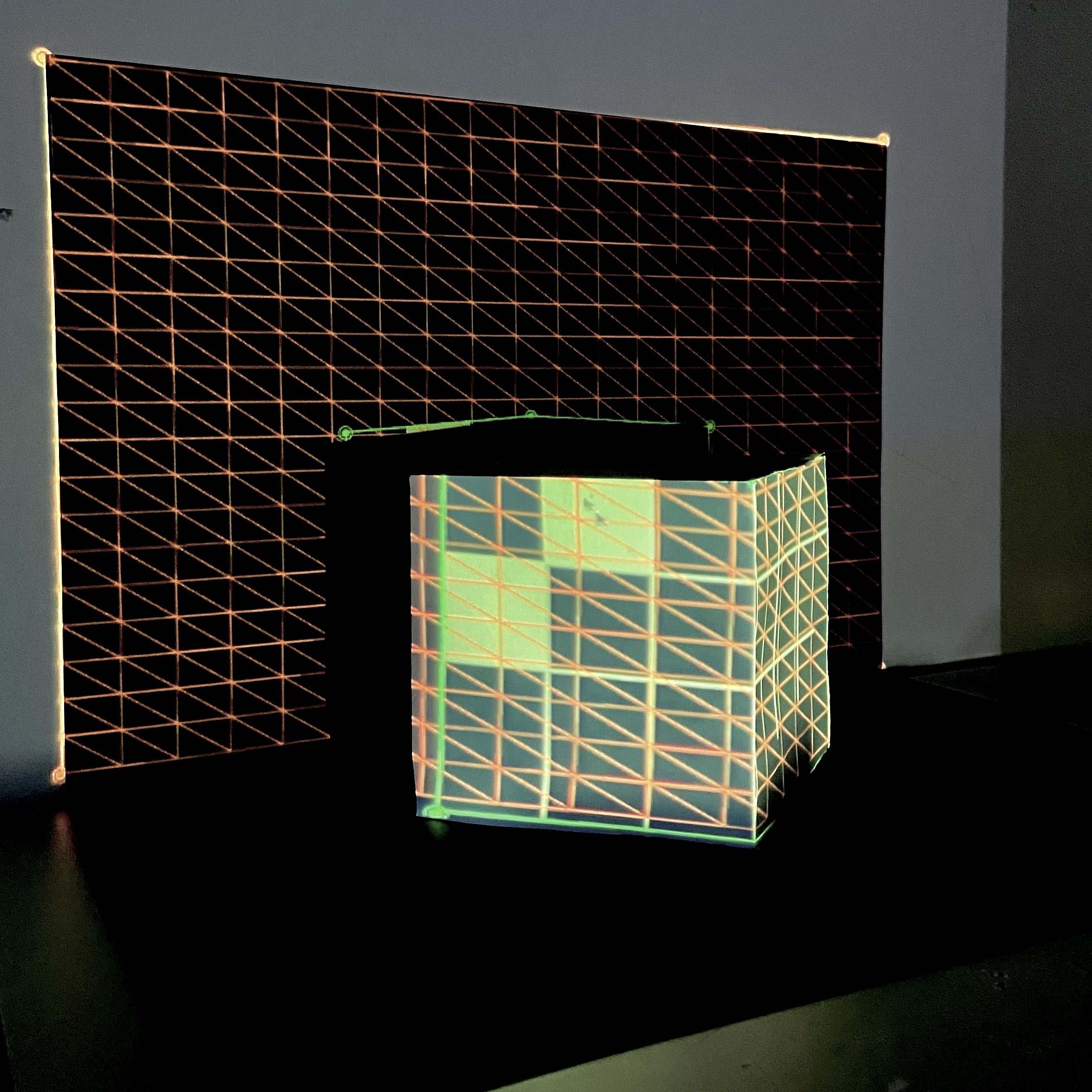
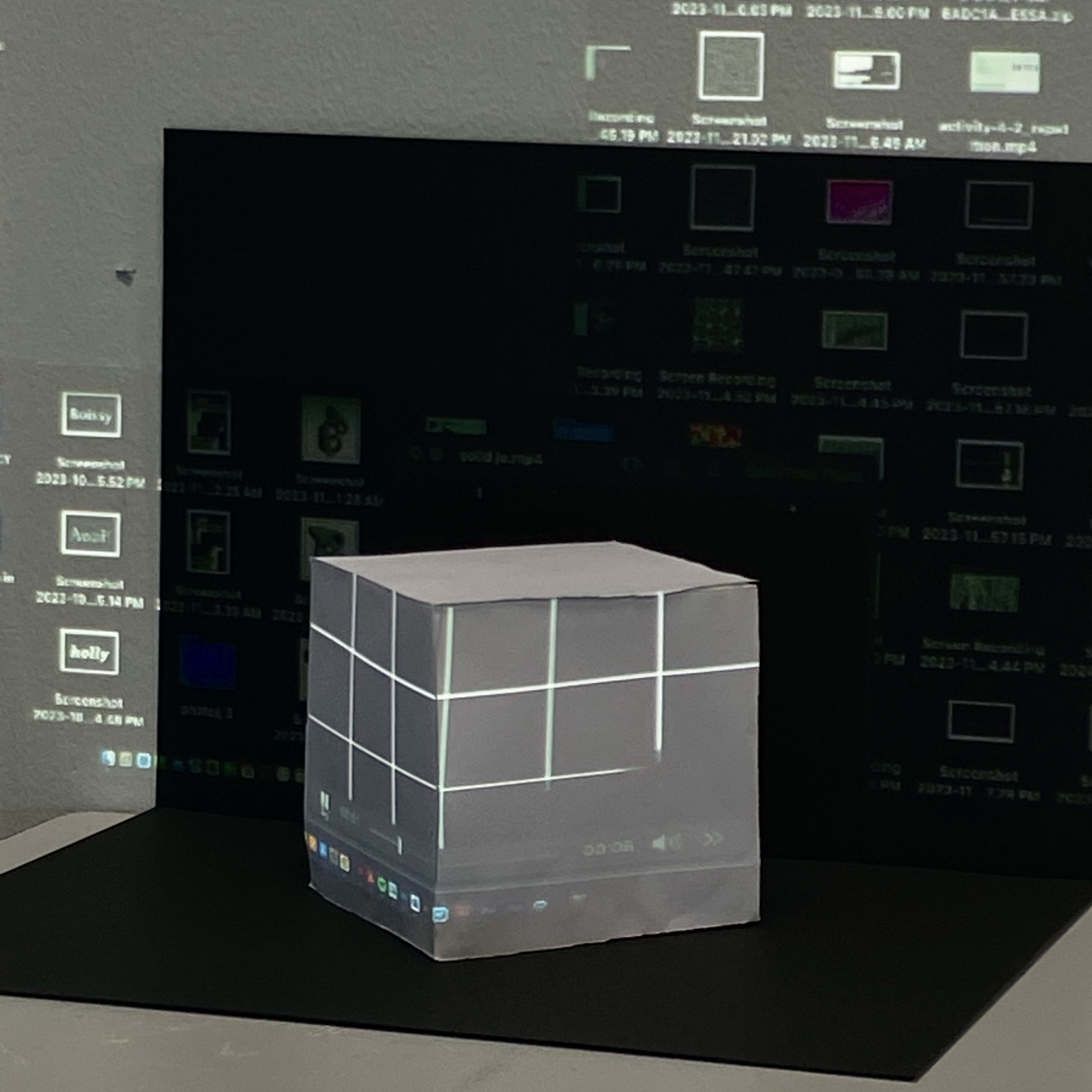
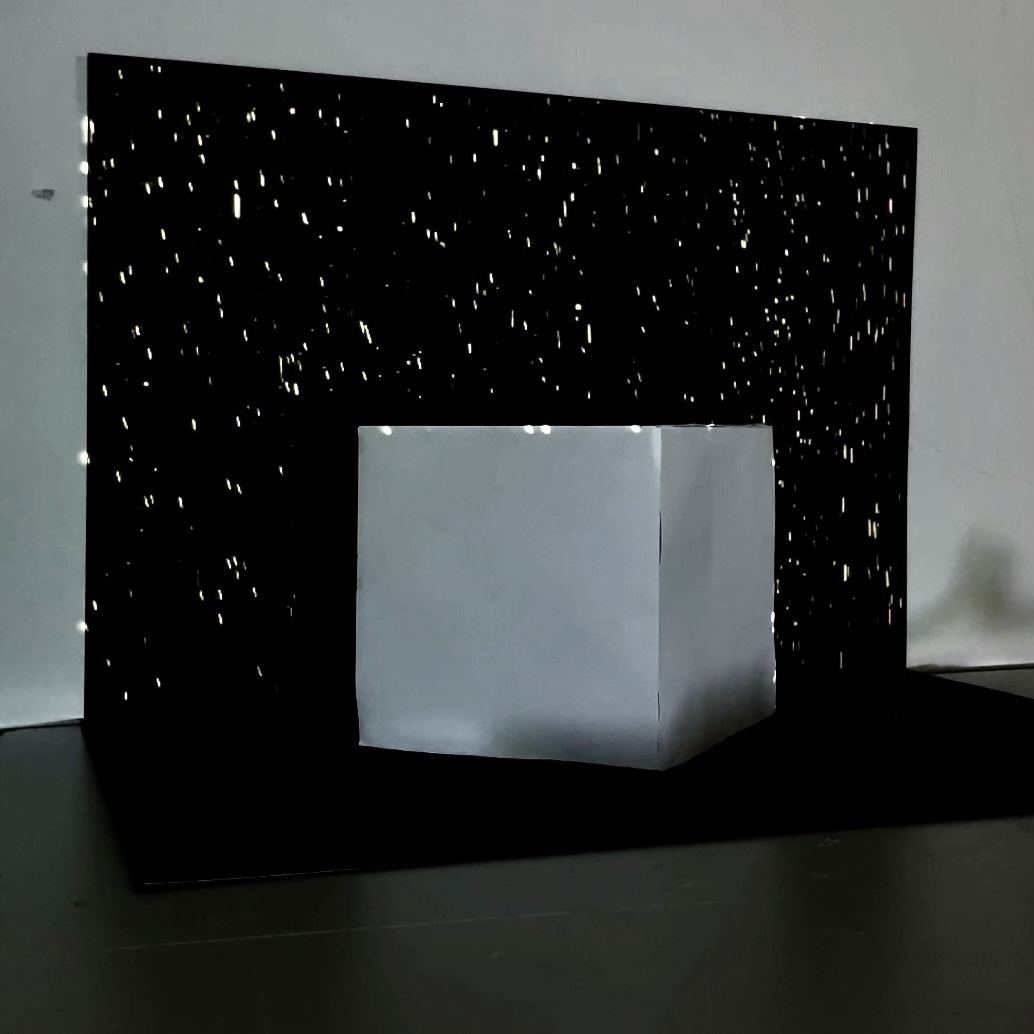
Jo showed us the basics of projection mapping and how to operate a projector. We tweaked the coding template for our project and learned to project images or videos onto a variety of surfaces. Our project's main focus was on "Other Worlds" with an aim to create visuals that can transport people to alternate realities.
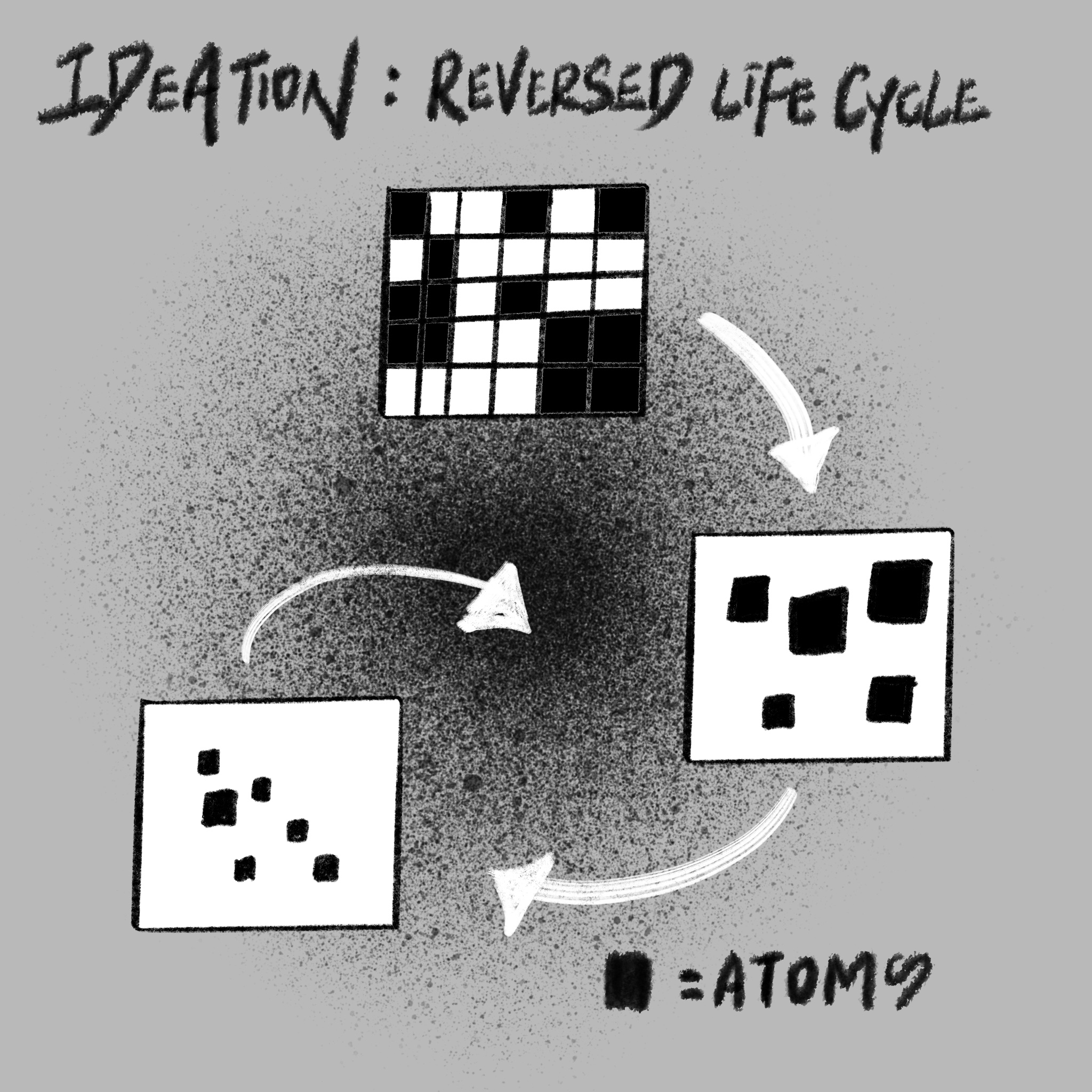
"Our project, titled 'Reversed Realities: A Reflection of Our Plane of Existence,' serves as a gateway to an alternate dimension where the laws of physics are inverted. In this realm, we explore the journey of human cycle, where beings evolve from cells into human forms, only to disintegrate back into their elemental state. Through three captivating visuals, we depict atoms undergoing a transformation: initially divided into smaller squares, then transitioning into a fluid state, and finally dispersing freely as gas. These visuals mirror the natural cycle of matter and invite viewers on a profound journey through reversed realms of existence. Inspired by the graceful movements of particles, our visuals capture the transition from solidity to fluidity, symbolising the ebb and flow of existence. As the journey concludes, the visuals transcend the confines of their cubic structure, merging with the vast expanse of the cosmos. Here, boundaries dissolve, and particles disperse into the void, representing the dissolution of conventional constraints and the boundless expansion of consciousness.
First step to creating meaningful design is to slow down and start noticing the little details that surround you.
by Yours Truly ꒰⁎ᵉ̷͈ ॣ꒵ ॢᵉ̷͈⁎꒱
Conclusion
What have I learned over the course of this semester?
This semester, we were given the creative freedom to conceptualise coding with the help of the fundamentals learned in Semester 1. It opened up new perspectives to how themes and code can converge to create not just outcomes, but immersive experiences.
Some of my most interesting findings this semester are?
I would say the most fulfilling aspects were not the findings themselves, but rather the opportunity to engage in discussions and exchange ideas with my lecturers. This interaction allowed me to gain valuable insights and perspectives from their years of experience with code. Moreover, as I delved into creating this microsite and explored code further, I discovered the beauty of customising user interactions and providing personalised user experiences.
What are some of my achievements?
I learned two new software programs, Blender and Arduino. Furthermore, understanding how to apply coding fundamentals to conceptualise ideas has deepened my connection with coding knowledge. Previously, I was uncertain how to utilise the foundational knowledge I had acquired. This newfound understanding has sparked my enthusiasm to explore diverse coding realms and bring to life fragments of ideas that were previously dormant.